Unforgiven
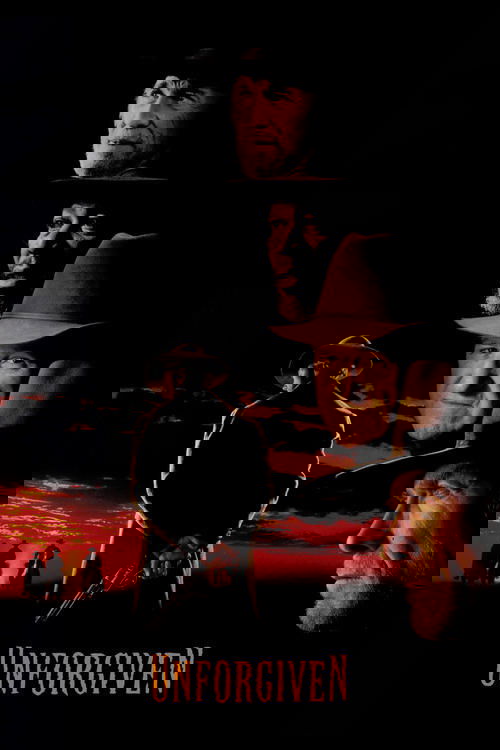
"Some legends will never be forgotten. Some wrongs can never be forgiven."
7.9•August 7, 1992•2h 10m
Storyline
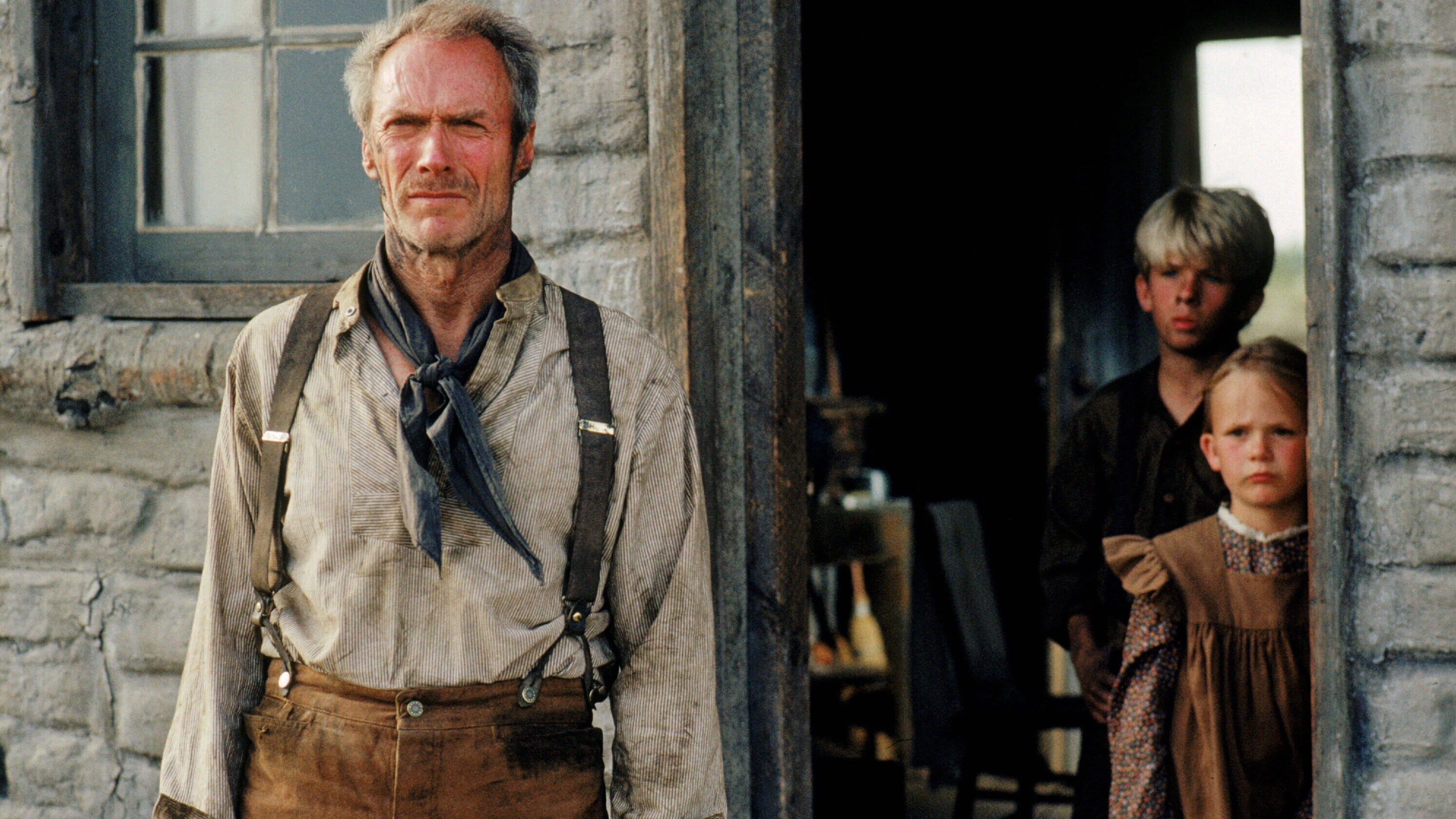
William Munny is a retired, once-ruthless killer turned gentle widower and hog farmer. To help support his two motherless children, he accepts one last bounty-hunter mission to find the men who brutalized a prostitute. Joined by his former partner and a cocky greenhorn, he takes on a corrupt sheriff.
Director
Writers
Top Cast
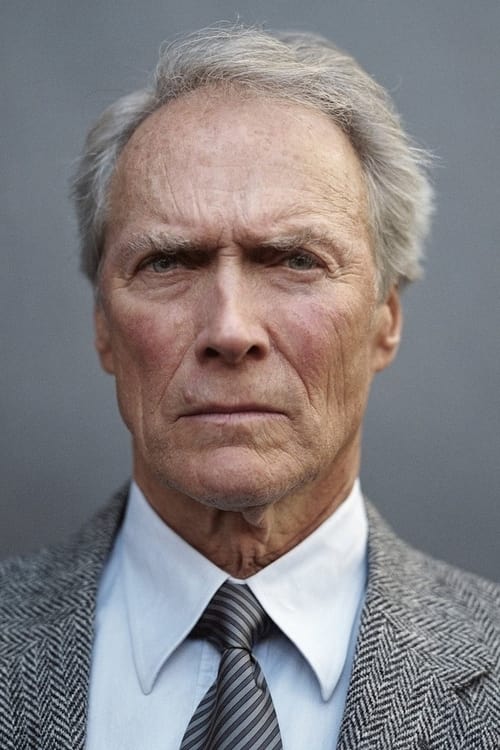
Clint Eastwood
William Munny
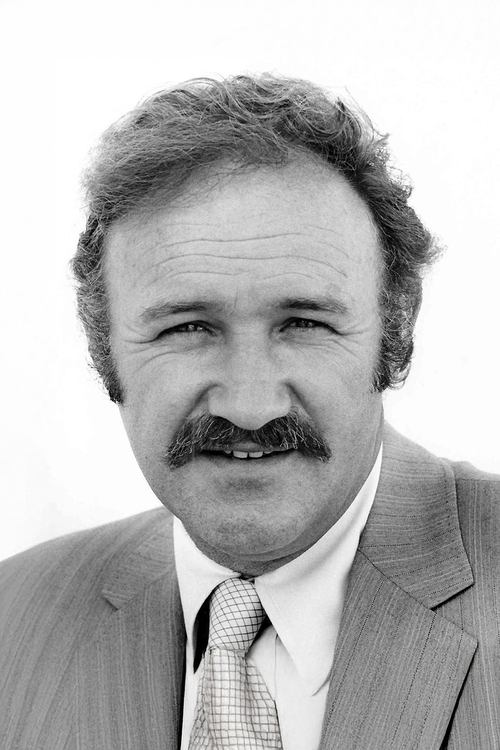
Gene Hackman
'Little' Bill Daggett
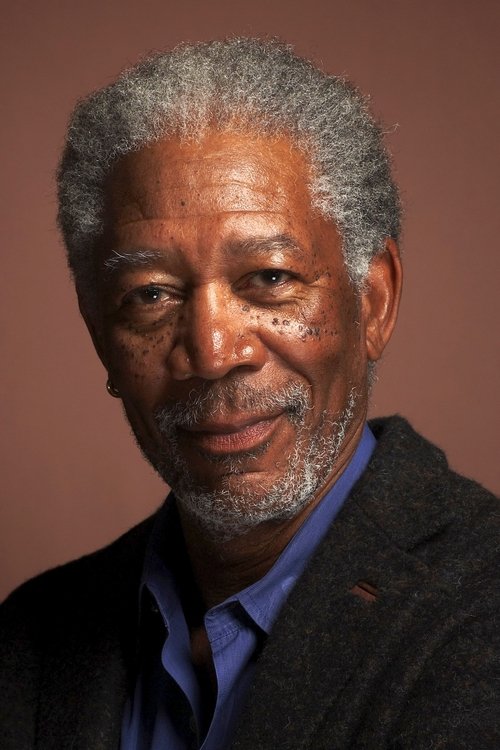
Morgan Freeman
Ned Logan
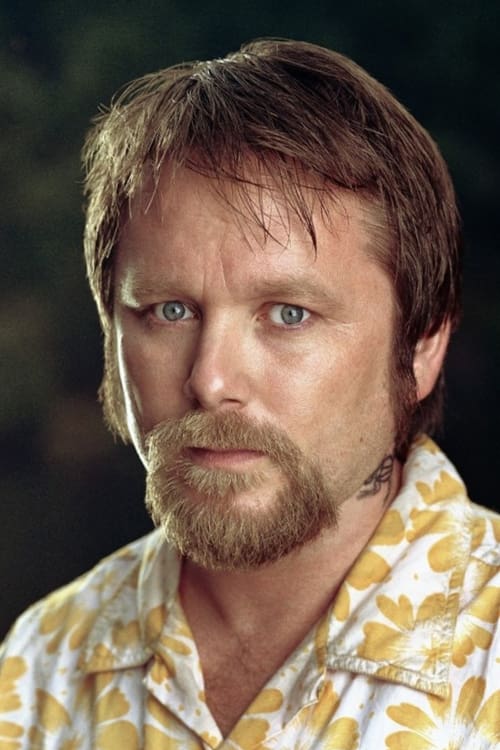
Jaimz Woolvett
The Schofield Kid
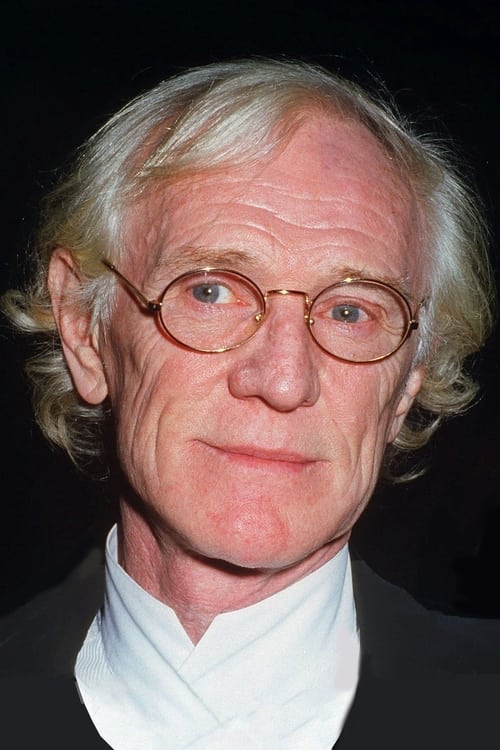
Richard Harris
English Bob
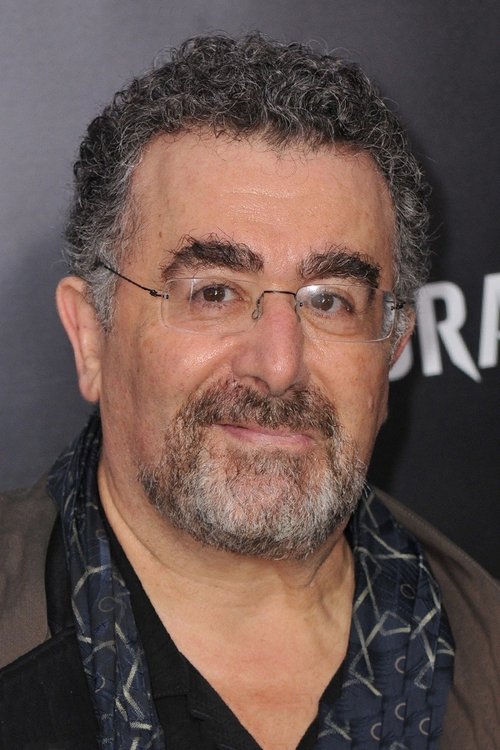
Saul Rubinek
W.W. Beauchamp
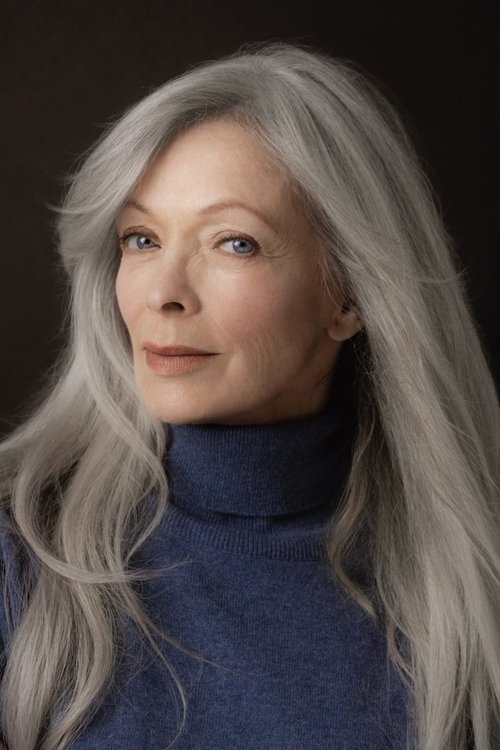
Frances Fisher
Strawberry Alice
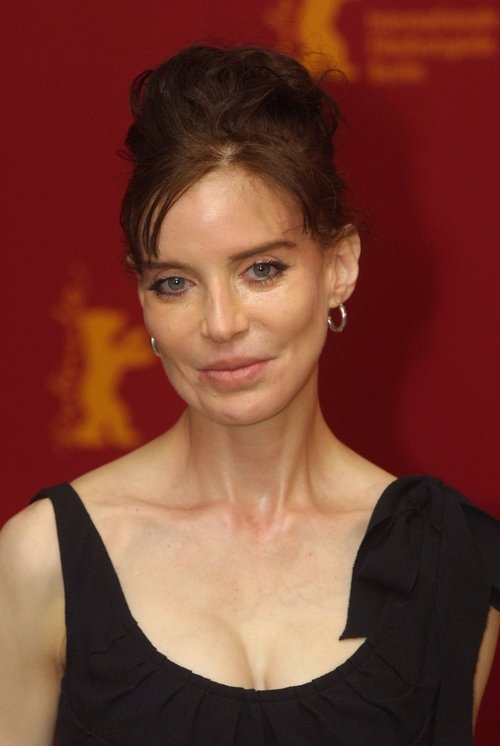
Anna Thomson
Delilah Fitzgerald
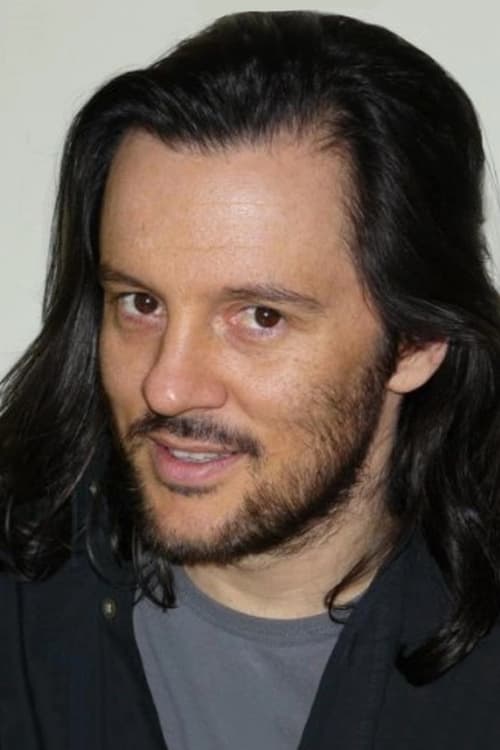
David Mucci
Quick Mike
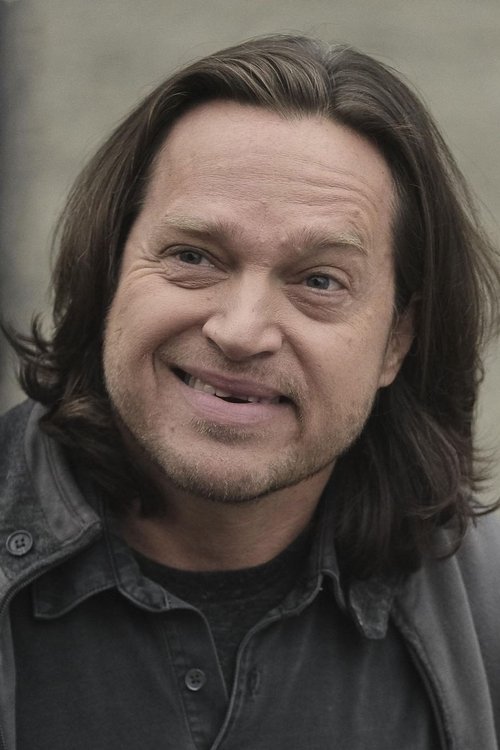
Rob Campbell
Davey Bunting
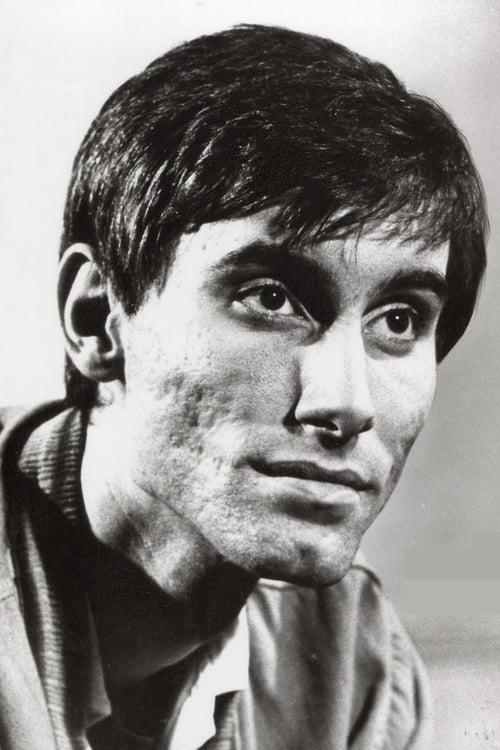
Anthony James
Skinny Dubois
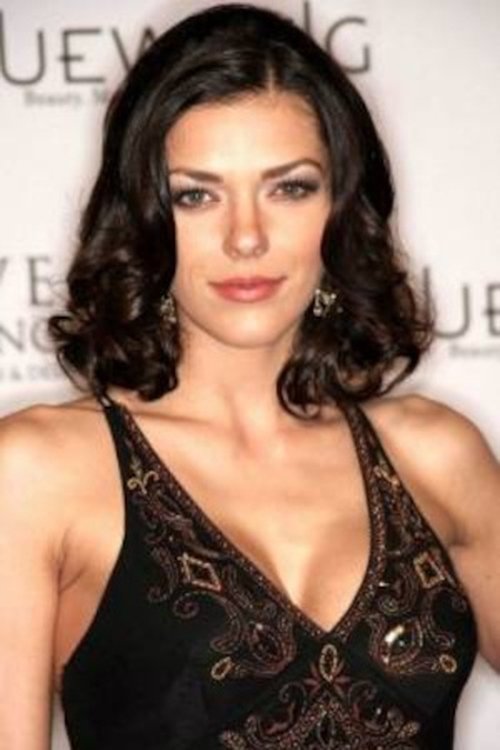
Tara Frederick
Little Sue
Featured Reviews
J
John Chard
February 9, 2019
10 / 10
That's right. I'm just a fella now. I ain't no different than anyone else no more.
William Munny (Clint Eastwood taking the lead and directing the piece) is an old and retired gunman whose past misdemeanours would make the devil himself seem tame. Widowed and struggling to raise his two children on a paltry farm, he's tempted out of retirement for one last pay dirt job, the consequence of which provides violence - both physically and of the soul.
Clint Eastwood signed off from the Western genre with this magnificent 1992 picture, the appropriation and irony of which is in itself a majestic point of reference. After the script had been knocking around for nigh on twenty years (written by Blade Runner scribe David Webb Peoples), Eastwood seized the opportunity to play William Munney and lay bare the mythologies of the Wild West.
It's striking that the makers here have lured us in to being firmly on Munney's side, we are, incredibly, influenced by Eastwood's part in the history of the Western. In spite of Munney's obvious murky past (despicable crimes they be), we wait (and hope) for Munney to make a quip and way lay the bad guys - in fact salivating at the prospect is probably closer to the truth. So it's with enormous credit that Eastwood, and his magnificent cast and crew, manage to fuddle all our respective perceptions of the West and the characters we ourselves have aged with.
It's not for nothing that W.W. Beauchamp (Saul Rubinek) is one of the critical characters on show, this even though we didn't expect that to be the case. Beauchamp is a writer of penny pulpy novels that tell of derring-do heroics, gunslingers with a glint in their eye who deal death as some sort of heroic encore. This gives Unforgiven an excellent sleight of hand, for this West is grim and a destroyer of all illusions and it's not controversial to say that this is indeed a good thing.
Eastwood is greatly served by the actors around him, Morgan Freeman, Gene Hackman (winning the Best Supporting Actor Oscar for a script he turned down many years before!), Rubinek, Frances Fisher, Anna Thomson, Jaimz Woolvett and an incredible cameo from Richard Harris. Along with Hackman's win for his brutally tough portrayal of Sheriff "Little Bill" Daggett, Unforgiven also won Oscars for Eastwood for his clinically tight direction, Best Picture, Best Editing and it was nominated in another five categories. One of those nominations was for Jack Green's cinematography, which now, in this age of High Definition enhanced cinema, can be seen in all its wonderful glory. The Alberta location is magically transformed into the Western frontier, with the orange and brown hues a real treat for the eyes.
Ultimately though, Unforgiven is a lesson in adroit film making, where across the board it works so well. Why? Well because the man at the helm knows this genre inside out, he was after all the sole flag bearer for practically 25 years. He learnt from his peers, and thus Eastwood has crafted a thematically complex piece that for all its violence, debunking and melancholy pulse beats, is a film that is as beautiful as it is most assuredly stark. An incredible and true highlight of modern day cinema, regardless of being a genre fan or not. 10/10
J
John Chard
February 7, 2019
10 / 10
That's right. I'm just a fella now. I ain't no different than anyone else no more.
William Munny (Clint Eastwood taking the lead and directing the piece) is an old and retired gunman whose past misdemeanours would make the devil himself seem tame. Widowed and struggling to raise his two children on a paltry farm, he's tempted out of retirement for one last pay dirt job, the consequence of which provides violence - both physically and of the soul.
Clint Eastwood signed off from the Western genre with this magnificent 1992 picture, the appropriation and irony of which is in itself a majestic point of reference. After the script had been knocking around for nigh on twenty years (written by Blade Runner scribe David Webb Peoples), Eastwood seized the opportunity to play William Munney and lay bare the mythologies of the Wild West. What is most amazing about Unforgiven's screenplay is how we the audience are firmly on Munney's side, we are, incredibly, influenced by Eastwood's part in the history of the Western. In spite of Munney's obvious murky past (despicable crimes they be), we wait (and hope) for Munney to make a quip and way-lay the bad guys - actually, salivating at the prospect is probably closer to the truth. So it's with enormous credit that Eastwood, and his magnificent cast and crew, manage to fuddle all our respective perceptions of the West and the characters we ourselves have aged with. It's not for nothing that W.W. Beauchamp (Saul Rubinek) is the critical character that nobody expected. Beauchamp is a writer of penny pulpy novels that tell of derring-do heroics, gunslingers with a glint in their eye and death dealt like an heroic encore, this gives Unforgiven an excellent sleight of hand, for this West is grim and a destroyer of all illusions.
Eastwood is greatly served by the actors around him, Morgan Freeman, Gene Hackman (winning the Best Supporting Actor Oscar for a script he turned down many years before!), Rubinek, Frances Fisher, Anna Thomson, Jaimz Woolvett and an incredible cameo from Richard Harris. Along with Hackman's win for his brutally tough portrayal of Sheriff "Little Bill" Daggett, Unforgiven also won Oscars for Eastwood for his clinically tight direction, Best Picture, Best Editing and it was nominated for in another five categories. One of those nominations was for Jack Green's cinematography, which now, in this age of High Definition enhanced cinema, can be seen in all its wonderful glory. The Alberta location is magically transformed into the Western frontier, with the orange and brown hues a real treat for the eyes. Ultimately, though, Unforgiven is a lesson in brilliant film making, across the board it works so well, why? Well because the man at the helm knows this genre so well, having been its sole flag bearer for practically 25 years, and learning from his peers, Eastwood has crafted a thematically complex piece that for all its violence, debunking and melancholy pulse beats, is a film that is as beautiful as it is most assuredly stark, an incredible and true highlight of modern day cinema. 10/10
C
CinemaSerf
December 28, 2025
7 / 10
When “Delilah” (Anna Thomson) rather foolishly makes light of the size of her client’s pecker, he turns to a bit of slice and dice that leaves her disfigured. The sheriff “Little Bill” (Gene Hackman) is no stranger to his imposing his own form of restitution on perpetrators, but in this case a few ponies isn’t enough for the women of the Big Whiskey whorehouse and so they send for “Munny” (Clint Eastwood). He used to have quite a reputation with a gun, but has latterly eked out a living with his children rearing pigs - and fairly diseased ones, at that. When he hears of the crime he decides to take one last bounty hunting job and recruits his old sparring partner “Ned” (Morgan Freeman) and his rookie - the altogether over grandly named “Schofield Kid” (Jaimz Woolvett) and sets off for revenge. Meantime, the ever-mean sheriff has taken a bit of a dislike to the travelling “English Bob” (Richard Harris) who soon discovers that his fancy talk of the Queen and his fine suit offer little protection from a vengeful megalomaniac who abuses his tin star as and when he please - either with his fists, his boots or his bull-whip. When “Munny” arrives in town, it’s fair to say that he’s a bit out of shape and no match for his new nemesis, but is this all part of a plan to get the lay of the land and some intelligence so the trio can begin to avenge “Delilah”? As ever with Eastwood films, the dialogue is sparse and apart from a few quips from Harris, there isn’t really that much said at all here. It’s all about the visuals of brutality and violence, and Hackman positively sweats an inhumanity to his fellow man that raises the hairs on your neck. Freeman and Woolvett also contribute well as the sheriff begins to realise that “Munny” might just be a man to be reckoned with after all. Eastwood is fine here, but he is eclipsed by an Hackman who just had more of the film, more of the vileness and the whip hand - and if I’m honest I thought the conclusion a bit rushed and disappointing as what we expected to happen just needed some Ennio Morricone to finish things off. It’s a dark and gritty evaluation of the pioneering lifestyle of the American west where a culture of survival of the fittest really did prevail, and there’s even a little bit of moral compassing thrown in, too. Powerful stuff that I think might be the last of the great revenge westerns.